How to Choose a Pickleball Paddle Without Overpaying
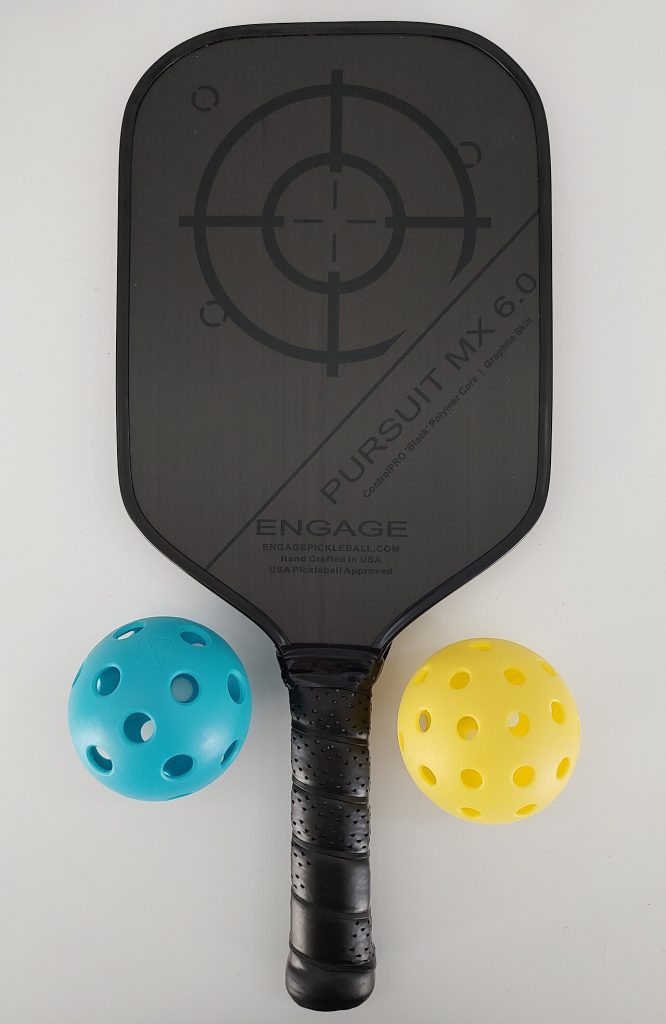
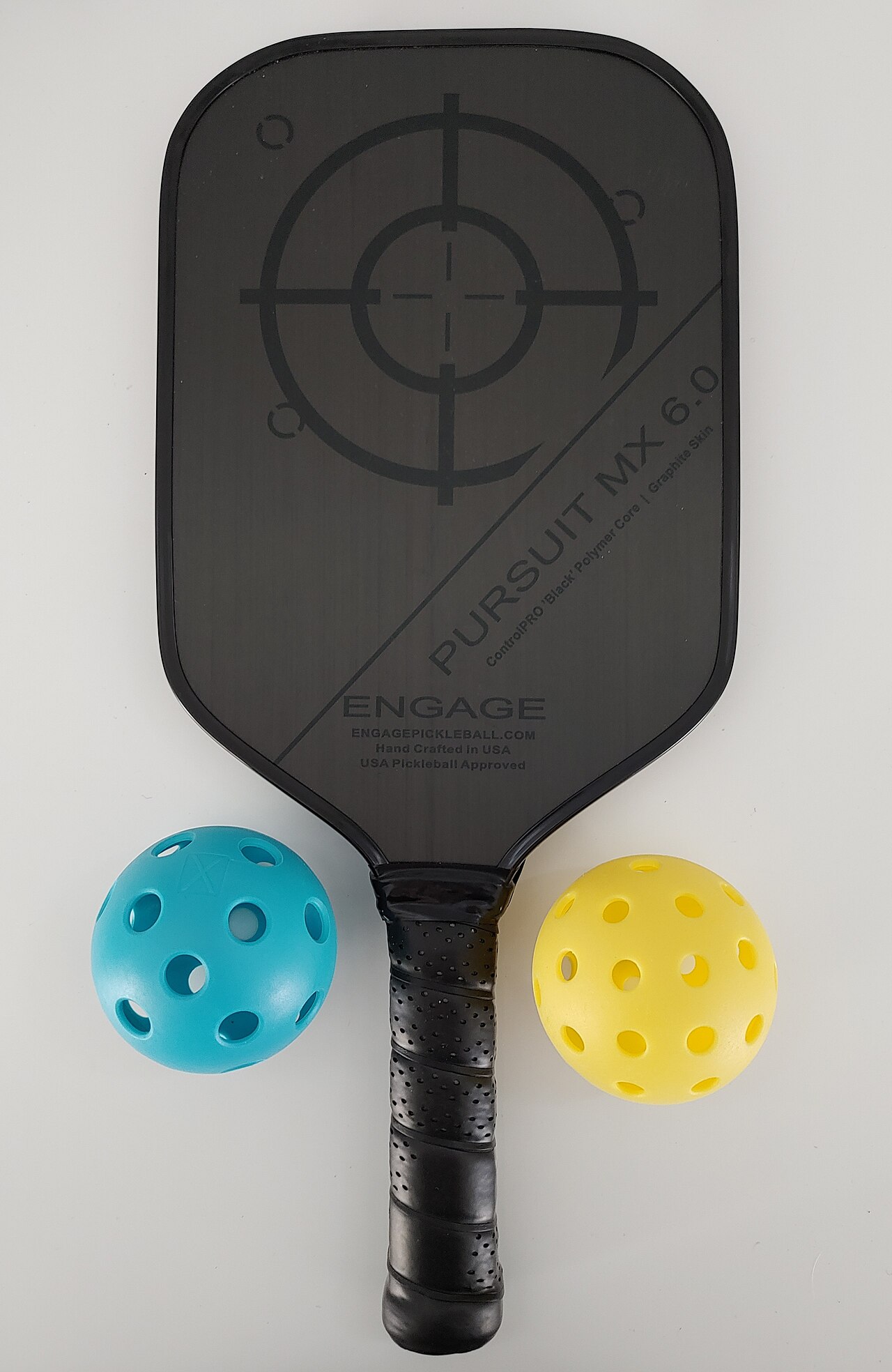
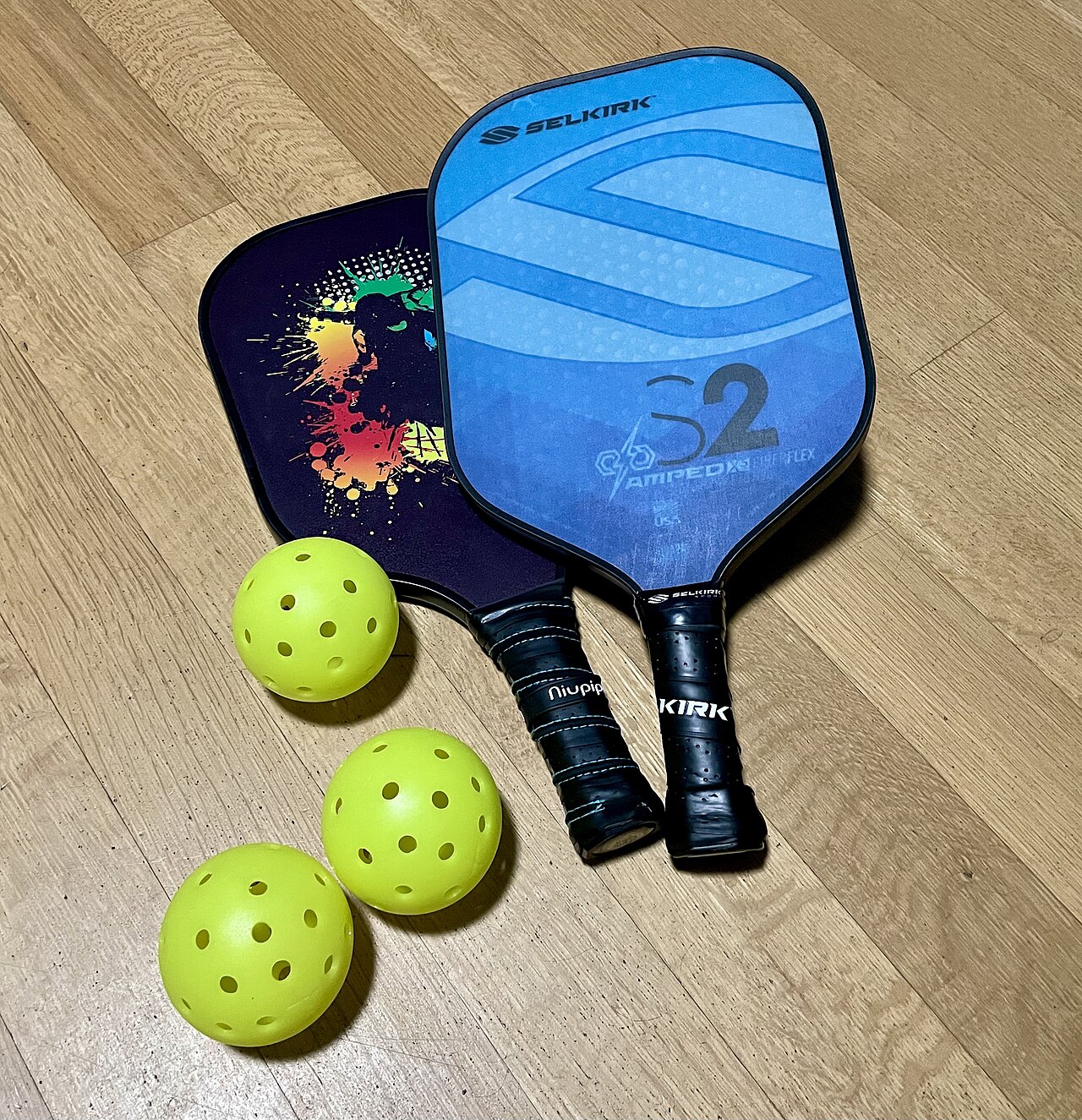
A paddle is the one piece of pickleball gear worth thinking about, and it is also where people most often overspend. The good news is that the features that matter are simple, and you can judge most of them from the spec sheet.
Start with the face and the core
Most modern paddles pair a face material with a polymer honeycomb core. Fiberglass faces tend to be forgiving and add pop, which suits newer players. Carbon fiber faces are stiffer and usually give more control and feedback, and they typically cost more.
Core thickness changes the feel too. Thicker cores, often around 16 mm, tend to feel softer and more stable. Thinner cores, often around 13 mm, tend to feel faster and more powerful but less forgiving on off-center hits.
Weight and grip size
Most adult paddles land somewhere between about 7.3 and 8.5 ounces. Lighter paddles are quicker at the net and easier on your arm. Heavier paddles add power and stability, but they can tire your wrist over a long session.
For grip size, hold the handle the way you normally play. If you are between sizes, go smaller. You can add overgrip tape to build a handle up, but you cannot shrink one.
Check that it is approved
If you plan to play sanctioned tournaments, look for your paddle on the USA Pickleball approved list before you buy. Casual games rarely check, but it saves an awkward surprise later.
Where the savings are
- Buy last season’s model. Brands refresh lines on a schedule, and the previous version usually plays very close to the new one.
- Skip the signature price tag. A mid-priced paddle from a reputable brand beats an expensive one you cannot control.
- Look for bundles that include a cover or a second paddle, but only if you will use them.
- Try before you buy. Many clubs and demo days let you borrow paddles for a session.
Buy for the player you are today, not the one you hope to be next year. Once you know what you want more of, whether that is power, control or comfort, you can upgrade with a clear reason.